![Tabom x Ginja Sessions: A Tribute to Ebo Taylor [Event Review]](/_next/image?url=https%3A%2F%2Fcdn.sanity.io%2Fimages%2F040cl9ap%2Fproduction%2F698a9089fef4fd2282195312211a23ae8bfa42e0-1600x1600.jpg&w=3840&q=75)
When was the last time a DJ set felt like a funeral and a party at the same time?
"Ebo Taylor gave seventy years to the music. The least we could do was give him one more night on the floor."
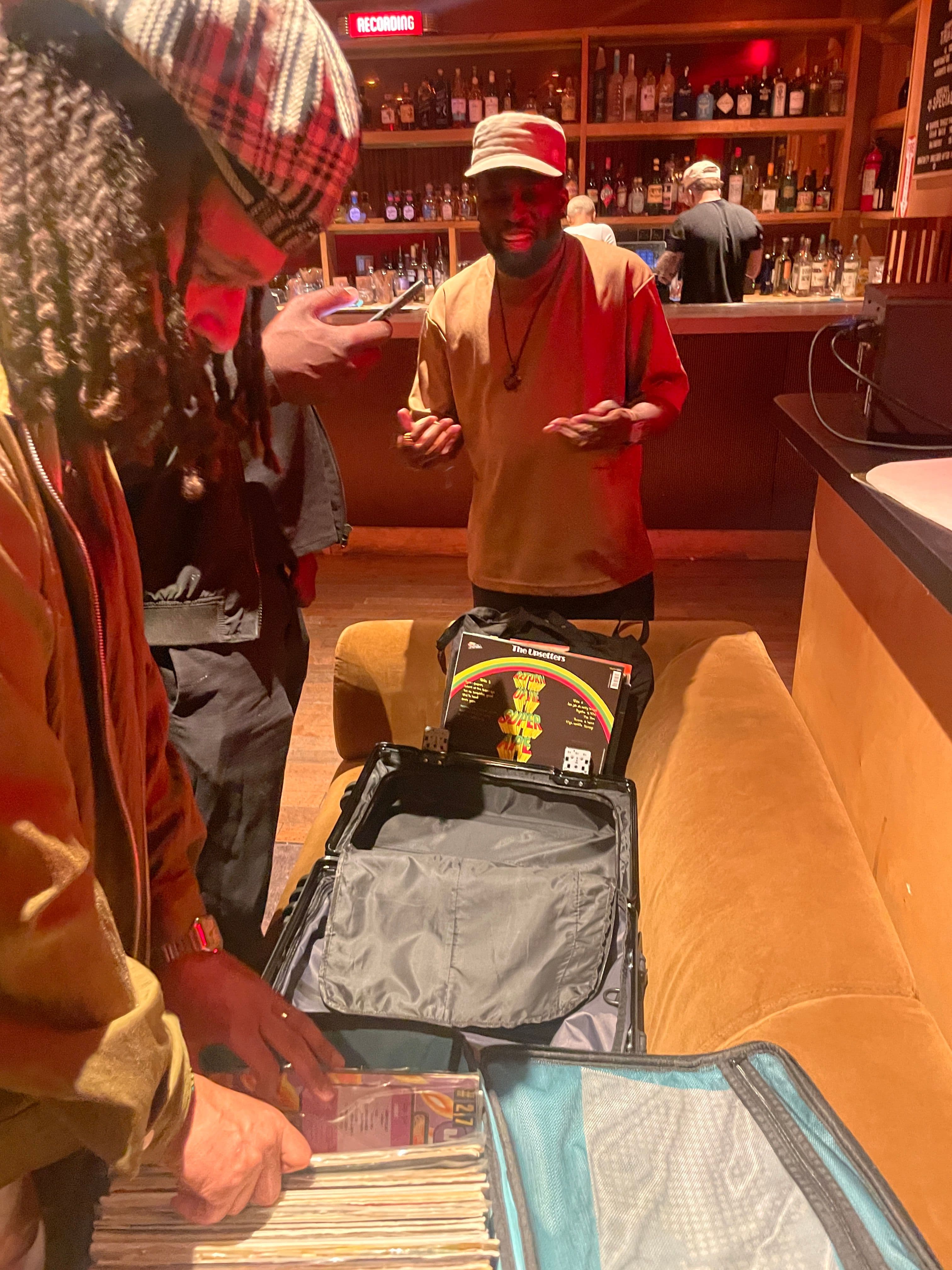
That’s what Sunday night was. Record Room in Long Island City is already the kind of venue that sets you up for something real. Hidden behind a cafe entrance on Center Boulevard, its walls lined with vinyl and lit like a late night you don’t want to end, the space was built for exactly this kind of night.
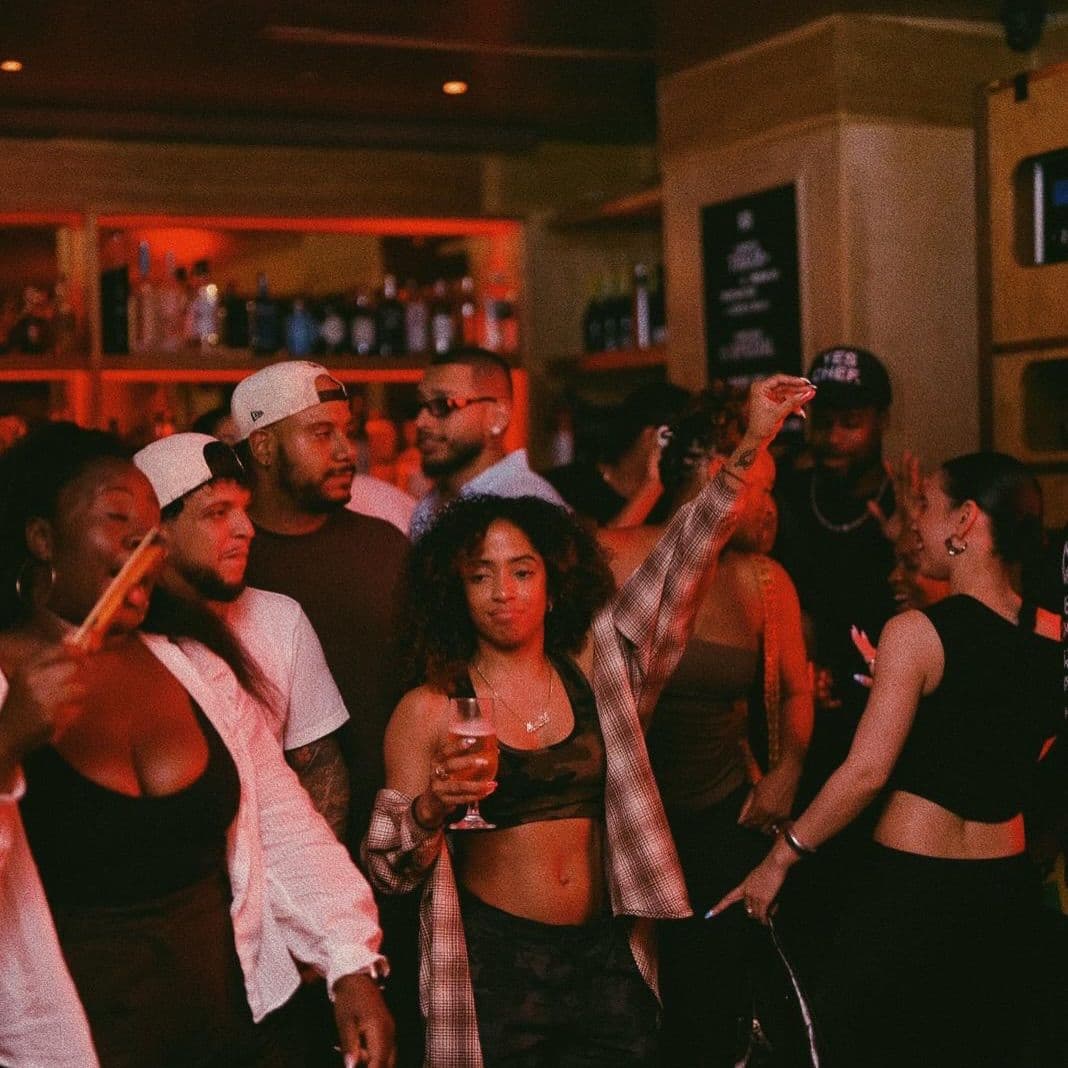
Packed, close, the kind of crowd where you’re sharing space with strangers but nobody minds. Mostly diaspora, Ghanaians, Nigerians, West Africans of every stripe, people who didn’t need an introduction to Ebo Taylor because they’d grown up inside his music without always knowing his name. That’s the thing about highlife. It lives in the walls of family homes before it ever lives in a record collection.
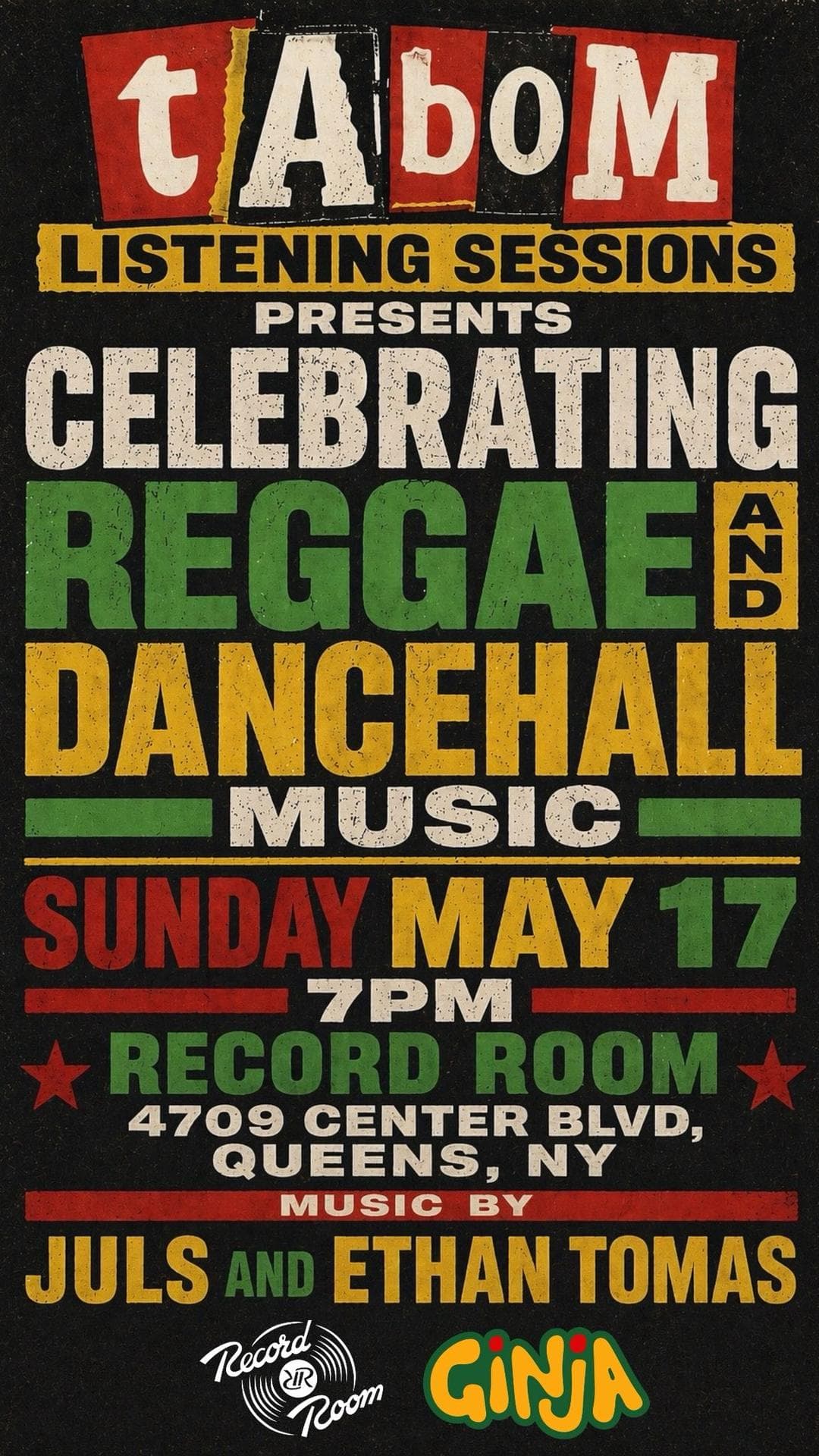
Taylor passed in February at 90, in Saltpond, Ghana, a month after his birthday, a day after a festival launched in his name in Accra. The timing was almost too on the nose for a man who gave seven decades to the music. By the time New York caught up with him, his farewell tour tickets were gone before most people processed the flyer. Sunday’s tribute felt like the city finishing that conversation.
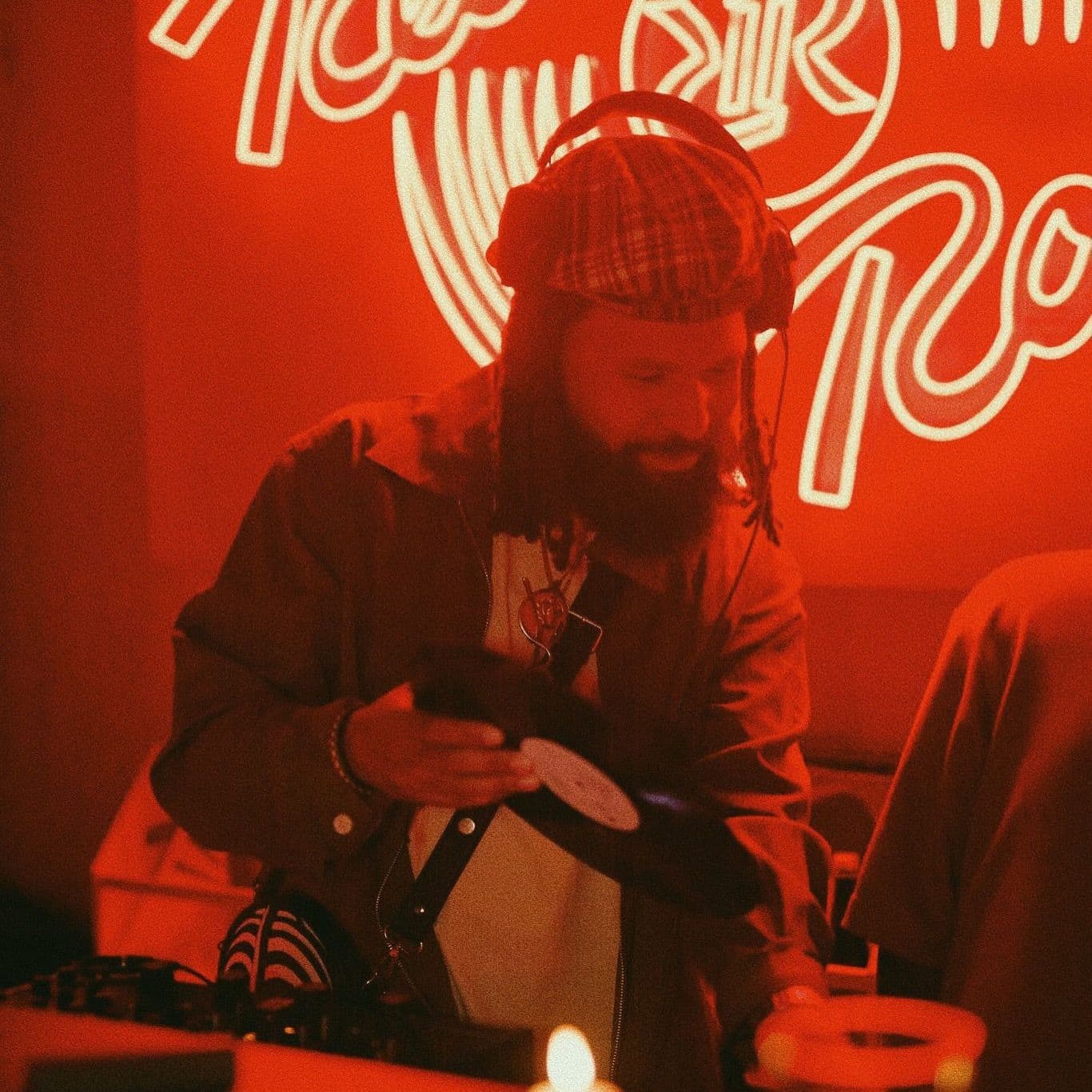
The curatorial choices mattered. Ethan Tomas, the Ghanaian-American DJ and founder of GINJA, set the tone early. GINJA has pulled close to 10,000 people through its doors in New York alone, and you could feel why on Sunday. Tomas moves between Afrobeats, Amapiano, and Afrohouse with the kind of instinct that doesn’t feel like genre-switching. It feels like one continuous argument about where the music comes from and where it’s going. For a night built around highlife’s roots, that perspective was exactly right.
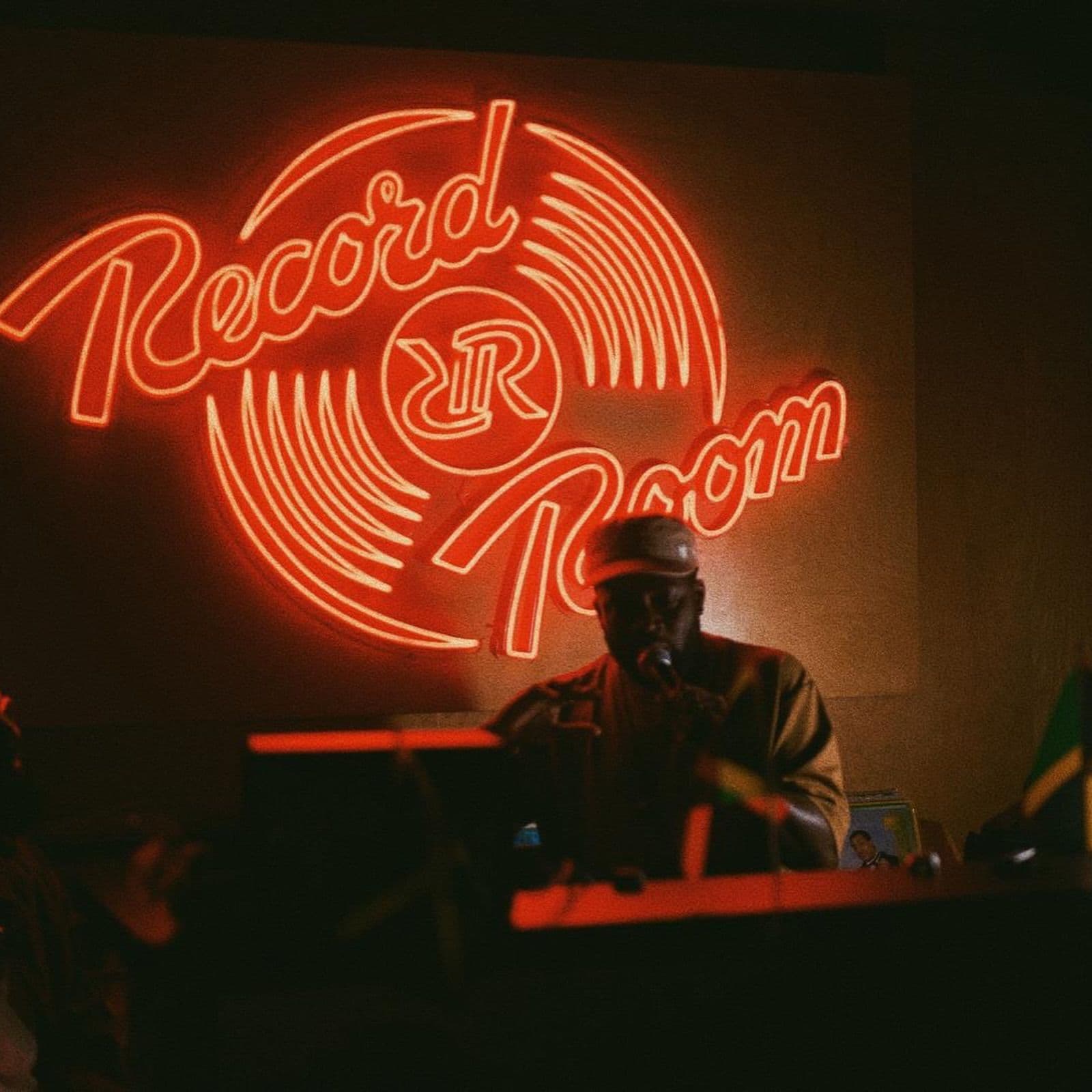
Juls brought his own lineage to it. The British-Ghanaian producer behind Tabom Records has spent years building a bridge between diaspora sounds, with production credits running from Burna Boy to Lauryn Hill to the Black Panther: Wakanda Forever soundtrack. But Tabom is where it gets personal. The name comes from a community of Afro-Brazilians who settled in Accra, descendants of the transatlantic slave trade who brought their culture back to Ghana. That’s the history Juls keeps returning to. On a night honoring Ebo Taylor, a man whose own music was always about that same intersection of African rhythm and outside influence, it fit perfectly.
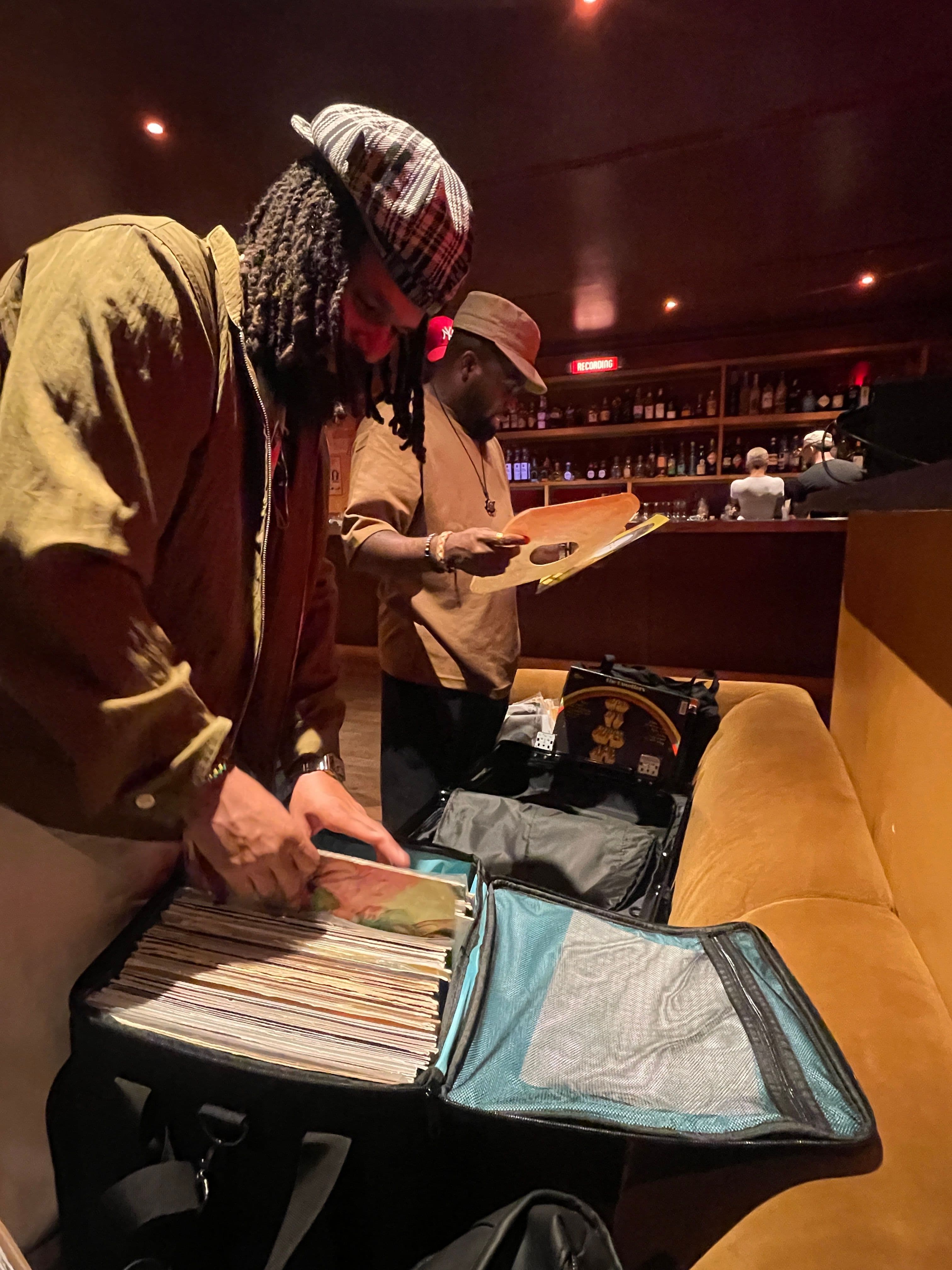
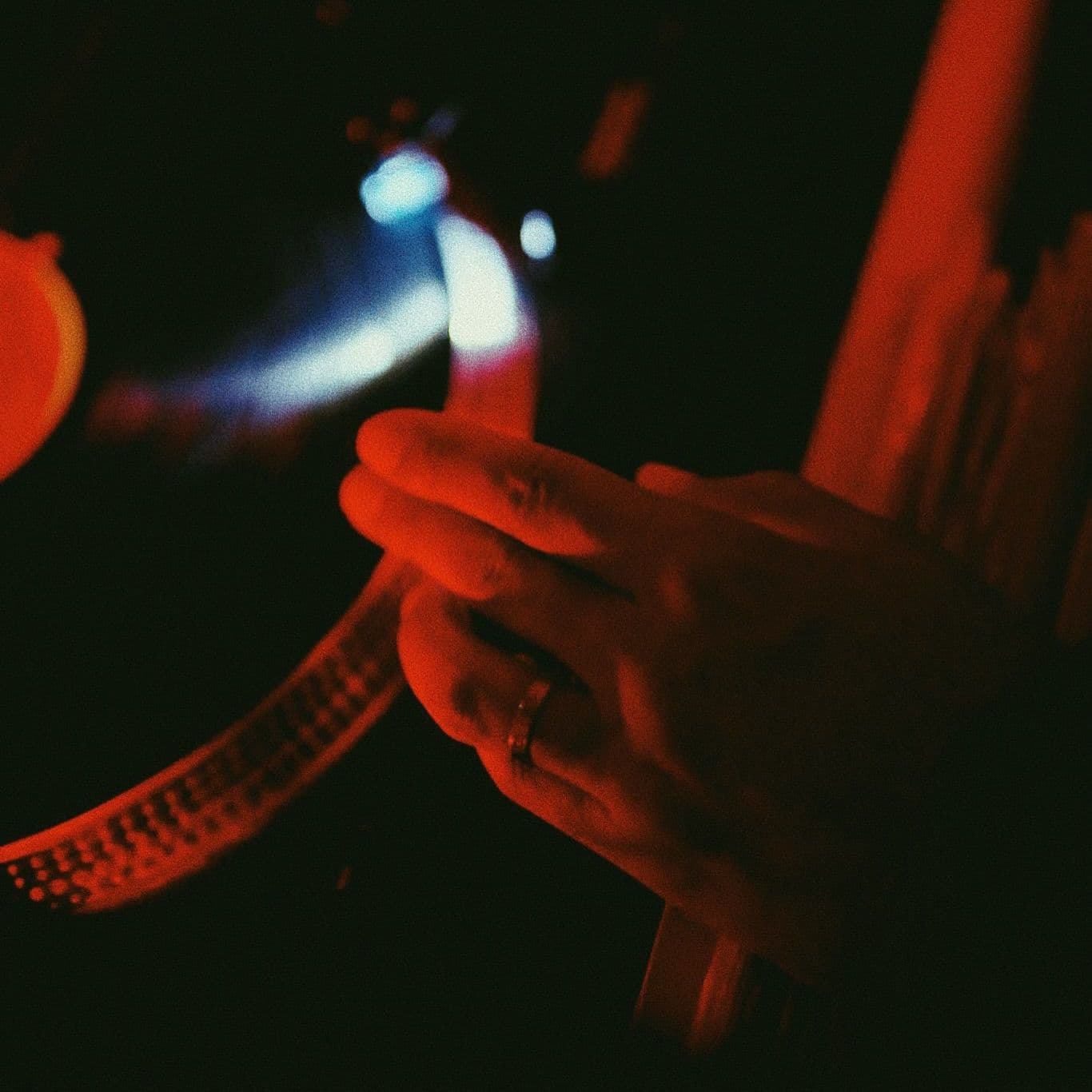
The set moved the way highlife moves, not in a straight line but in a spiral, looping back through decades, letting the horns breathe. Record Room’s sound system gave every frequency the space it needed. When “Love and Death” came through the speakers the room shifted. Bodies moving, drinks raised, a few people closing their eyes. Not grief exactly. More like gratitude with a backbeat.
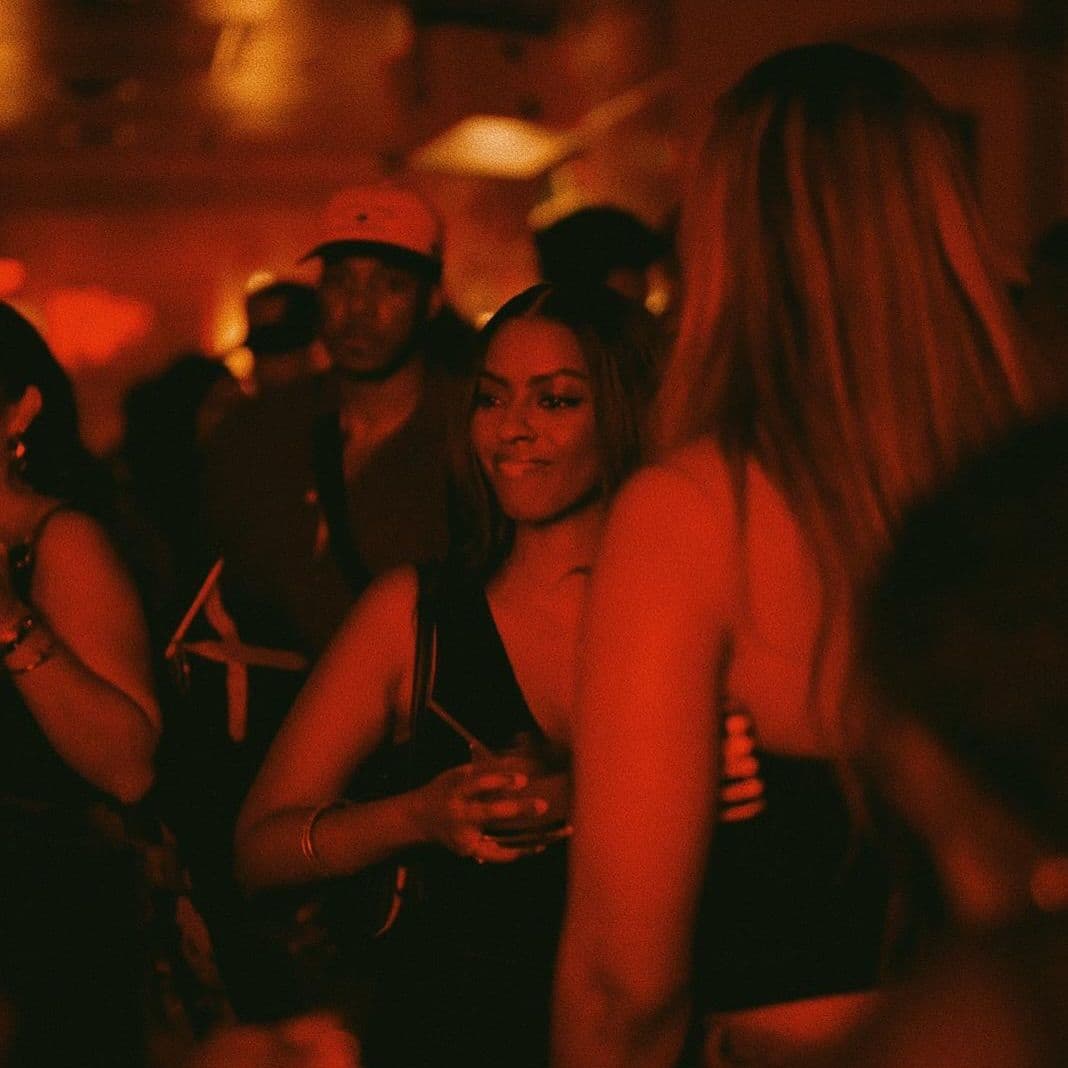
Highlife was recently added to UNESCO’s Intangible Cultural Heritage list. That kind of recognition always comes later than it should. Sunday night was its own version of that accounting, a packed room in Queens saying we know what this music is worth, and we’ve always known.
Ebo Taylor gave seventy years to the music. The least we could do was give him one more night on the floor.